How a cochlear implant works
A hearing aid makes sound louder. A cochlear implant works differently: it skips the damaged sensory cells in the inner ear (the cochlea) and sends electrical signals straight to the hearing nerve. The brain learns to interpret those signals as sound. That learning takes time, structured therapy and regular device programming.
The system has two parts. The internal implant, a receiver-stimulator with an electrode array, is placed during surgery. The external sound processor, worn behind the ear, is fitted and switched on a few weeks later.
- 01Sound is picked upA microphone on the external processor captures sound and converts it into digital code.
- 02Signal passes through the skinA magnetic transmitter coil sends the code to the implant placed under the skin.
- 03Electrodes stimulate the nerveThe electrode array inside the cochlea delivers electrical pulses to the hearing nerve.
- 04The brain learns to hearWith auditory-verbal therapy, the brain gradually learns to make sense of the new signals.
Who may be considered for an implant
Candidacy is decided case by case by the ENT surgeon, audiologist and speech therapist, after a full evaluation.
Born with or acquiring profound hearing loss
- Bilateral severe to profound sensorineural hearing loss
- Limited progress with well-fitted hearing aids during a structured trial
- Hearing loss identified on newborn screening or early testing
- Hearing loss after meningitis, which may need urgent assessment
- Family committed to long-term therapy and follow-up
Early identification matters. Speech and language development depends on hearing, so the timing of evaluation is important.
Hearing loss after speech has developed
- Progressive or sudden severe to profound sensorineural hearing loss
- Poor speech understanding even with optimally fitted hearing aids
- Hearing loss from ageing, ototoxic medicines, infection or unknown causes
- General health suitable for surgery under general anaesthesia
- Realistic expectations about the rehabilitation period
Not every person with hearing loss is a candidate. Some may be better served by hearing aids or other options.
The cochlear implant pathway
A complete assessment before any decision
The evaluation checks whether an implant is likely to help, whether the inner ear and hearing nerve are suitable, and whether the patient is fit for surgery. The exact tests depend on age and medical history.
The surgery
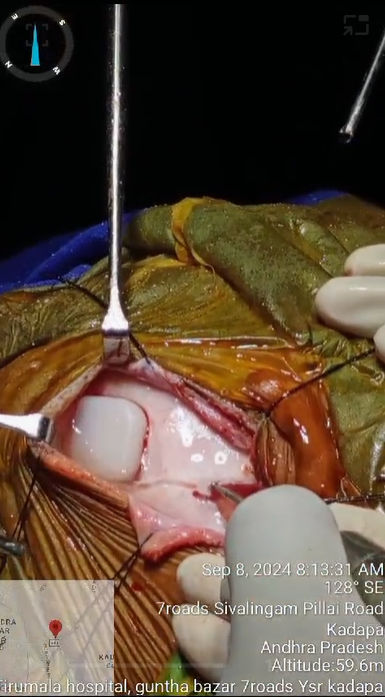
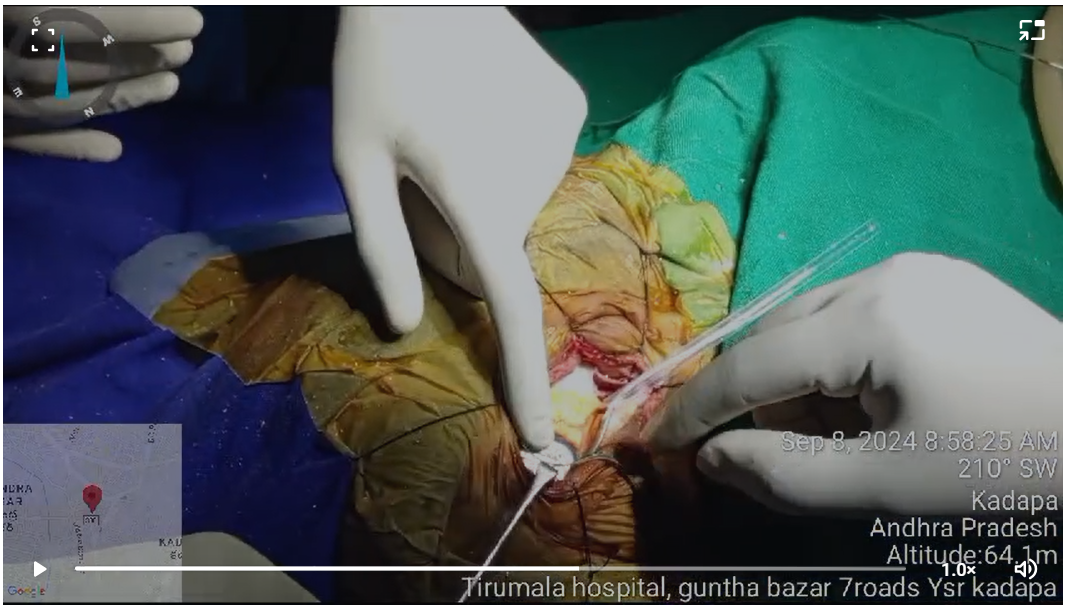
Cochlear implantation is performed under general anaesthesia using an operating microscope. The steps below are a general outline. The surgeon will explain the specific plan for each patient.
- {{ s.n }}{{ s.d }}
The surgery usually takes a few hours. Most patients stay in hospital for a short period after surgery. The duration is advised individually.
Surgery is the beginning. Rehabilitation is the journey.
Progress with a cochlear implant varies between individuals. It depends on age at implantation, how long the hearing loss has lasted, the condition of the hearing nerve, and commitment to therapy. No specific result can be guaranteed.
Possible risks
Like any operation, cochlear implant surgery carries risks. Most are uncommon. Each will be discussed in detail during consent.
- Wound infection or skin problems over the implant
- Temporary dizziness or imbalance
- Tinnitus or taste change
- Facial nerve injury (rare)
- Loss of any remaining natural hearing in the implanted ear
- Device failure that needs revision surgery
- Meningitis risk, which is reduced with recommended vaccination
- General anaesthesia risks
Questions families often ask
Concerned about hearing loss?
Book an ENT and hearing evaluation. Please bring any previous hearing test reports and scans.
TO VERIFY: government scheme coverage (e.g. Dr. YSR Aarogyasri), implant brands offered, and the in-house audiology and AVT team.
Observe cochlear implant surgery
Observe candidacy assessment, surgical planning, the procedure and postoperative care through our clinical observership. Observation only. Participation is subject to eligibility, patient consent and hospital approval.
Apply for Observership